Introduction
- Schools and colleges regularly capture and process personal data not only of the students but also of parents or guardians. Moreover, they generate substantial data pertaining to each student's educational journey. All this data has high value.
- For admitted candidates, compulsory data under legislation must be preserved. These documents are crucial for many reasons including monitoring academic achievement, seeking higher education, and authenticating academic achievements. Schools typically maintain records such as mark sheets during the academic life of a student from elementary to university. These kinds of records tend to be requested by students or other educational institutions. Academic documents such as transcripts and graduation certificates are usually maintained in perpetuity, as they will be useful in future studies or employment.
- Conventional student data management in schools or colleges entails high paperwork, physical records, and manual registers. The introduction of digitalization to student records is imperative to enhance accessibility, accuracy, and preservation. It provides several advantages such as improved data security, easier administration, and better analytics. Digital systems enable quicker retrieval of information, easier record maintenance, and the possibility of personalized learning. They also enable institutions to save money and utilize resources more effectively.
Regarding SDMS (Student Data Management System)
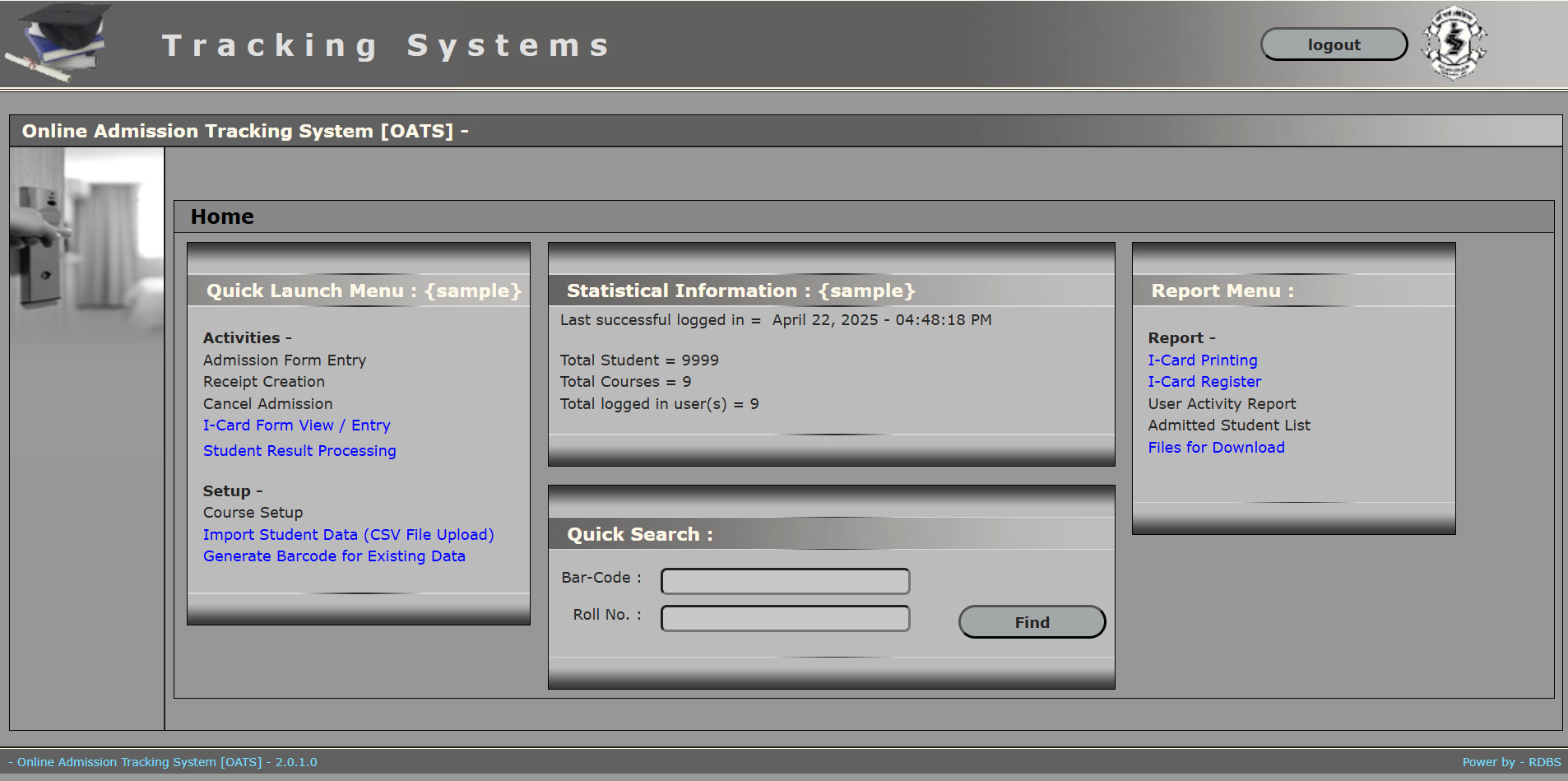
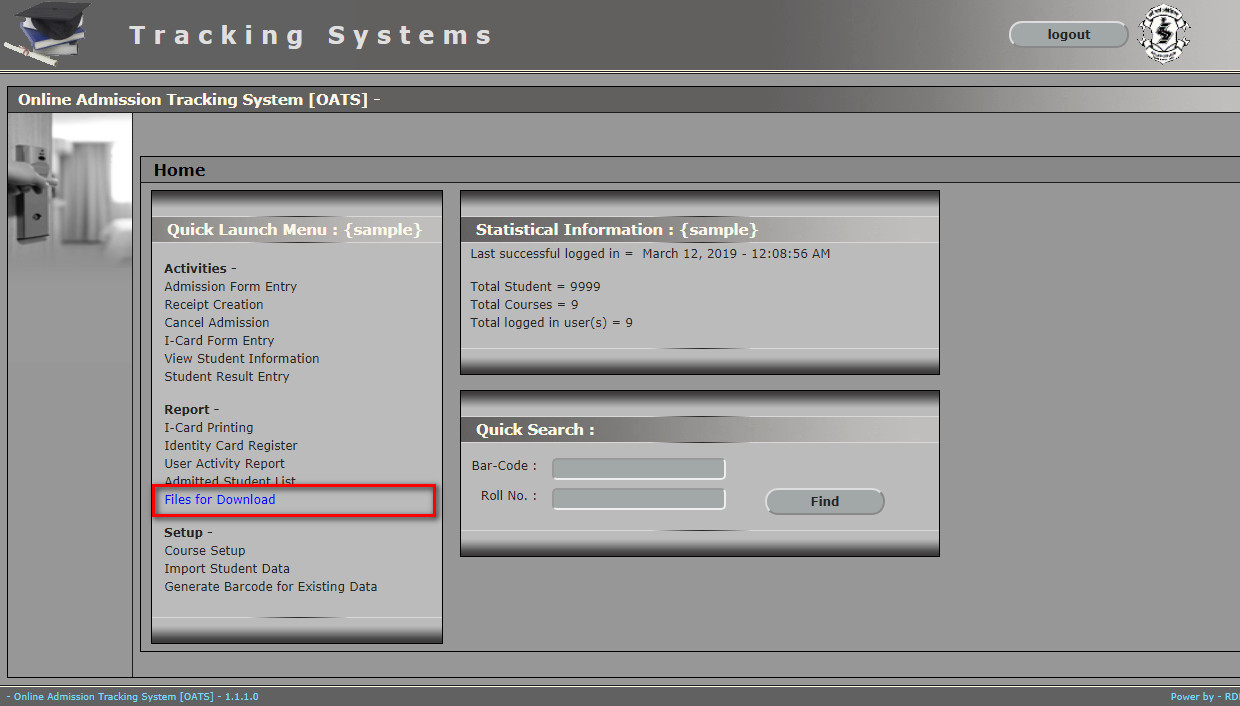
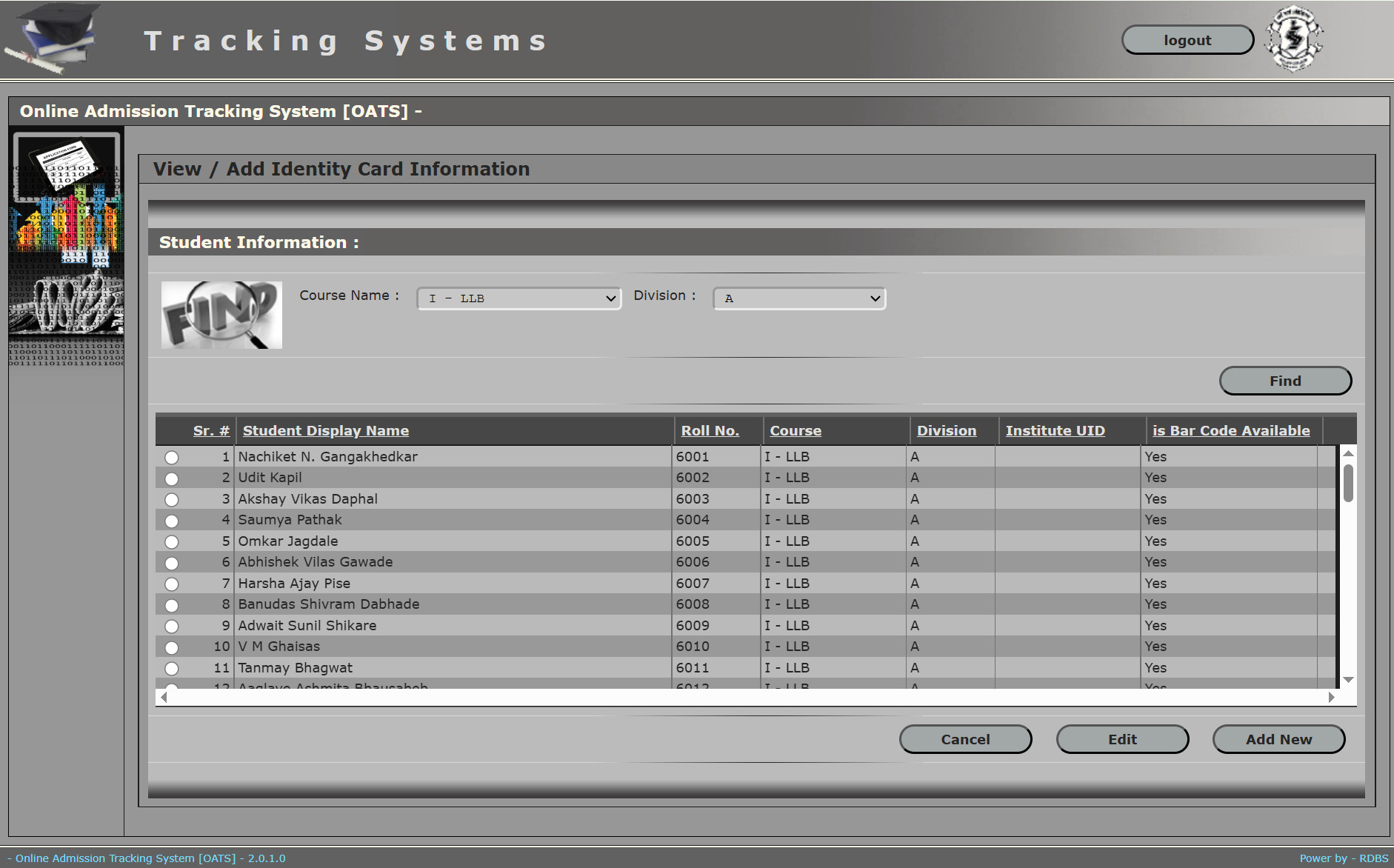
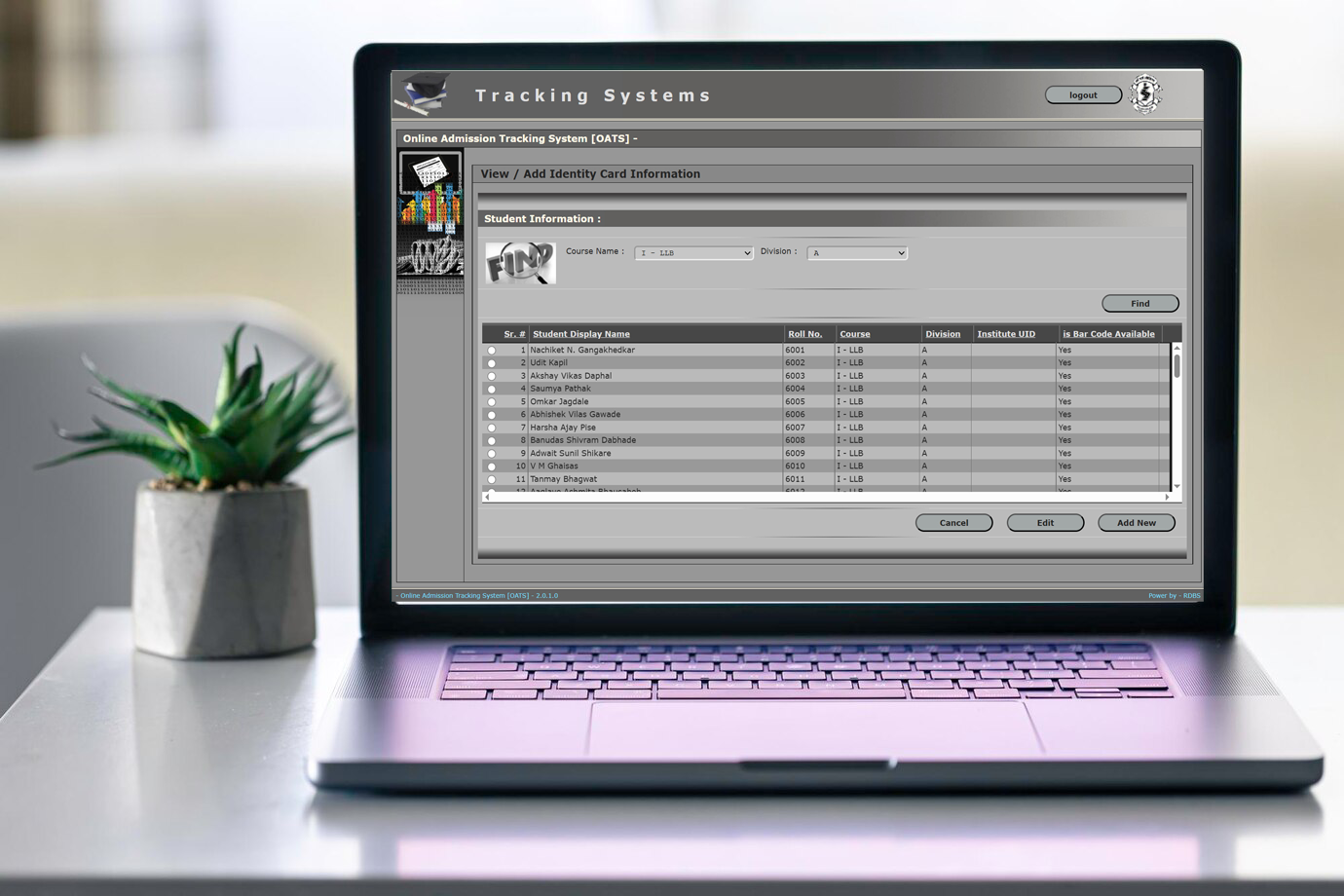
SDMS provides a solution to reduce the complexity of handling data for admitted students. Its primary aim is to automate managing, monitoring, and tracking the journey of every student within the institution, lessening the possibility of losing vital information. The system keeps data centrally, making it possible to access in an organized manner and enhancing both student performance monitoring and institutional effectiveness.
Benefits
- Safe Storage of Data – In contrast to hard copies, digital records are more resistant to loss, destruction, or natural catastrophes. Digital documents can be encrypted and password-protected to provide privacy and legality to data. The access can be limited to qualified personnel, drastically minimizing the likelihood of data exposure.
- Better Accessibility – Computerized records are available at any time and from anywhere to authorized users. This allows for information sharing and collaboration, which fosters greater productivity. Digital files allow employees to rapidly search and bring up data, increasing efficiency among departments.
- Less Paper Usage – Computer systems minimize the use of physical documents, which results in cost savings and environmental advantages. They also reduce the requirement for physical storage space, making administration more efficient and saving resources for other critical functions.
- Efficient Processes – Processes like admissions, registration, and record-keeping are made simpler through computer systems. Transcripts can be easily forwarded by students, and institutions can handle applications quickly, which makes the process more efficient for everyone involved.
- Improved Collaboration – Digital resources foster enhanced collaboration between students, instructors and administrators. Records can be easily shared with stakeholders, facilitating teamwork, research and academic support – particularly while working remotely.
- Data Analytics – Electronic student records facilitate in-depth data analysis, allowing institutions to draw insights from performance trends and areas of improvement. This facilitates proactive, data-informed decision-making and tailored student support.
- Student Services – Digital transformation improves student services through the provision of self-service portals and mobile apps. Students are able to easily manage activities such as course registration and transcript requests. Virtual service centres can offer remote academic advising and assistance.
- Data Backup and Restore – Digital information may be safely backed up in many places, providing safeguarding from loss or damage. In contrast to physical files, which can be compromised in the event of natural disasters, digital information may be safely restored, enhancing dependability and continuity.
Screens